
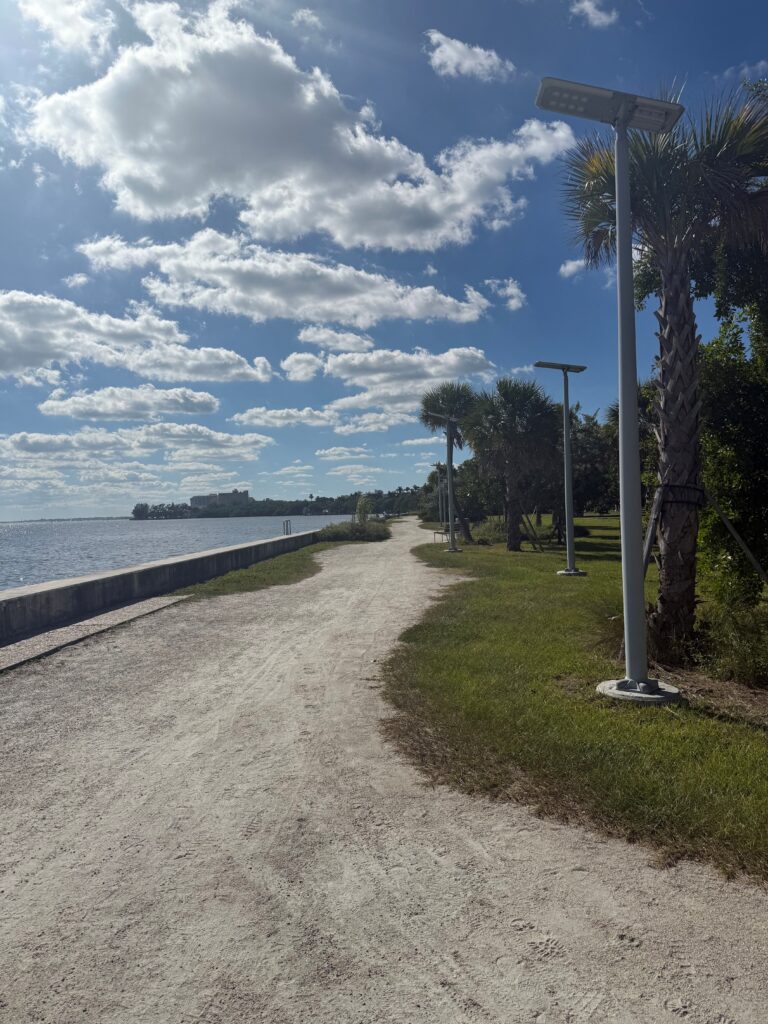
The rain came at 4:15 yesterday, right on schedule, and by 5:00 The Roads smelled like wet grass and ripe mangoes. I genuinely love this season. The city goes green, the storm light is beautiful, and even the forecasters are relaxed, with NOAA calling for a below-normal season of 8 to 14 named storms.
This is also the season that makes one question unavoidable: Do you actually know your Miami flood zone?
Most home owners I meet do not. Buyers, however, increasingly do, and that knowledge gap can cost sellers real money at the closing table. Recently, I was working with a buyer relocating from a waterfront condo on the bay to a home just three blocks inland. One of their first questions was about the flood zone, and they were pleasantly surprised to learn the property was in Flood Zone X instead of Flood Zone AE, where they had been living. It was a great reminder that in Miami, just a few blocks can make a meaningful difference in flood risk and, often, flood insurance costs. On the flip side, I frequently meet sellers surprised to learn that their flood insurance obligations shifted years ago.
Miami Flood Zones: The Three Lettered Zones That Matter
Every property in Miami-Dade County sits in a designated FEMA flood zone, and you can look yours up by address in about a minute. Here’s a quick overview of the designation letters you will see across our neighborhoods:
- Zone X: Moderate to minimal risk. Flood insurance is optional (though highly recommended).
- Zone AE: High risk. Flood insurance is mandatory if you have a federally backed mortgage.
- Zone VE: Coastal high risk with velocity (wave action). Insurance is required with a mortgage, premiums are higher, and building regulations are significantly stricter.
FEMA periodically updates Miami-Dade’s flood maps. Because base elevations and boundary lines shift, checking your property on the official Miami flood zone map every couple of years is essential.
While owning property in a flood-designated area requires planning, there’s good news for local owners:
- County Discounts: Miami-Dade’s proactive flood management rating earns qualified residents in unincorporated county areas a 35% discount on flood insurance premiums.
- Preferred Rates: In Zone X, a preferred-risk policy often runs only a few hundred dollars a year. Smart property owners carry one even though they’re not required. After all, rain doesn’t stop at a map line.
Elevation Certificates: Protect Your Home’s Resale Value for a Few Hundred Dollars
If you’re in Zone AE, the document that changes the conversation is an elevation certificate. Prepared by a licensed surveyor, it provides certified proof of where your lowest living floor sits relative to the Base Flood Elevation (BFE) . Beyond lowering monthly costs (premiums can drop roughly 15% to 30% for each foot your home sits above BFE) it directly boosts resale value.
When you hand a prospective buyer an elevation certificate alongside a quote for low-cost insurance, you eliminate financial guesswork. A house with a verified $1,200 annual flood policy will always beat an identical neighboring house carrying a mystery $5,000 estimate in the mind (and wallet) of a buyer.
Many of the older homes in The Roads and Coconut Grove sit on the natural Miami coastal ridge, some of the highest ground in the county. Yet far too many owners are paying AE-Zone prices for X-Zone reality because no one ever documented their property’s true elevation. That’s money wasted on yearly insurance premiums and equity left on the table when it comes time to sell.
What This Means for Your Home’s Value
In Miami, flood zone status has become a core pricing input, just like roof age and overall maintenance history. Buyers today calculate the total carrying cost of a home, not just the mortgage payment. A seller who provides their current flood zone status, accurate insurance policy cost, and an elevation certificate in their initial disclosure packet eliminates a massive unknown for buyers, which is exactly how you defend your asking price.
Condo owners are not exempt from the conversation. On the water in Brickell and Miami Beach, the building association carries the flood policy, but buyers are asking tough questions about how parking garages and lobbies handled recent king tides. Understanding your building’s infrastructure is part of knowing your property’s value.
Providing clear answers matters because high-end buyer demand remains strong across South Florida, with $1 million-plus sales recently rising nearly 30% year-over-year. The buyers driving those numbers are well-researched, and they consistently reward sellers who are prepared.
Check Your Miami Flood Zone Before the Market Asks
Planning to sell in the next year, or just curious where your property sits on the updated maps?
Barbara Gretsch · Miami Real Estate
Buying or Selling in Miami?
Tell me what you are looking for and I will give you a straight answer, grounded in real market data.
If you would like to receive my posts in your inbox each week, subscribe to my Substack here.
Barbara Gretsch is a REALTOR® with Berkshire Hathaway HomeServices EWM Realty, serving Miami and South Florida’s $1M+ residential market, including Coconut Grove, Coral Gables, The Roads, Brickell, Key Biscayne, and Miami Beach. barbaragretsch.com