
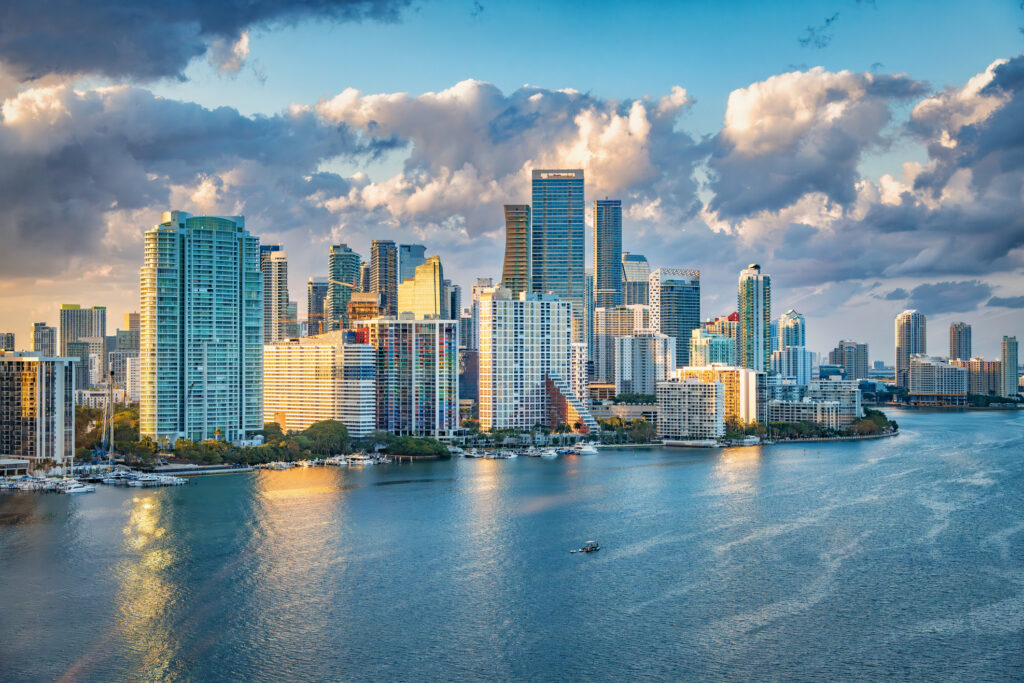
Miami’s skyline is a testament to the preconstruction sale. Most of the luxury buildings I write about, from the St. Regis to the Shore Club, are sold years before anyone moves in. Buying this way can be the smartest entry into the market or the most expensive lesson in it, and the difference comes down to understanding how the machine actually works. Here is what the sales gallery will not walk you through.
How deposits actually work
Preconstruction deposits in Miami are staged, typically 20 to 50 percent of the purchase price paid over the construction timeline: a deposit at contract, another at groundbreaking, another at top-off, with the balance at closing. Two things matter here. First, your money is committed for years before you have keys, so the deposit schedule is part of the price. Second, under Florida law, deposits above 10 percent can generally be used by the developer for construction, so the strength and track record of the developer is not a nicety. It is your security.
The contract is not neutral
The purchase agreement is drafted by the developer’s attorneys, for the developer. Delivery windows stretch. Finishes can be substituted with items of “equal or better quality,” a phrase that has disappointed many buyers. Assignment rights, whether you can sell your contract before closing, are often restricted or forbidden. And a developer fee, commonly 1.5 to 2 percent, is frequently added at closing on top of the price. None of these terms is hidden, but none will be volunteered either. You are expected to read, or to bring someone who does.
The 15-day window
Florida gives buyers of new residential condominiums a 15-day right of rescission after signing and receiving the condominium documents. That window is your one chance to read the documents, the budget, and the rules with no penalty for walking away. Most buyers let it pass unused. It is the single most underused protection in the process.
What to compare beyond the rendering
The rendering sells the building. Your return comes from the specifics: which line, which floor, which view, and whether that view is protected by geography or exposed to the next development site. Two units in the same tower can be entirely different investments. This is the core of how I evaluate every building in my neighborhood guides: scarcity inside the building matters as much as the name on the door.
Why you bring your own agent
The friendly team at the sales gallery works for the developer, and their job is to sell the inventory the developer wants moved, at the price the developer wants. Buyer representation in a preconstruction deal costs you nothing, the developer pays it, and it is the only party in the room whose obligation runs to you: on line selection, on contract terms, on the deposit schedule, and on what the resale market says the unit is actually worth. Walking into a sales gallery unrepresented is the one unforced error I see most often, and it is entirely avoidable.
Barbara Gretsch · Miami Real Estate
Buying or Selling in Miami?
Tell me what you are looking for and I will give you a straight answer, grounded in real market data.
Barbara Gretsch is a REALTOR® with Berkshire Hathaway HomeServices EWM Realty, serving Miami and South Florida’s $1M+ residential market, including Coconut Grove, Coral Gables, The Roads, Brickell, Key Biscayne, and Miami Beach. barbaragretsch.com