
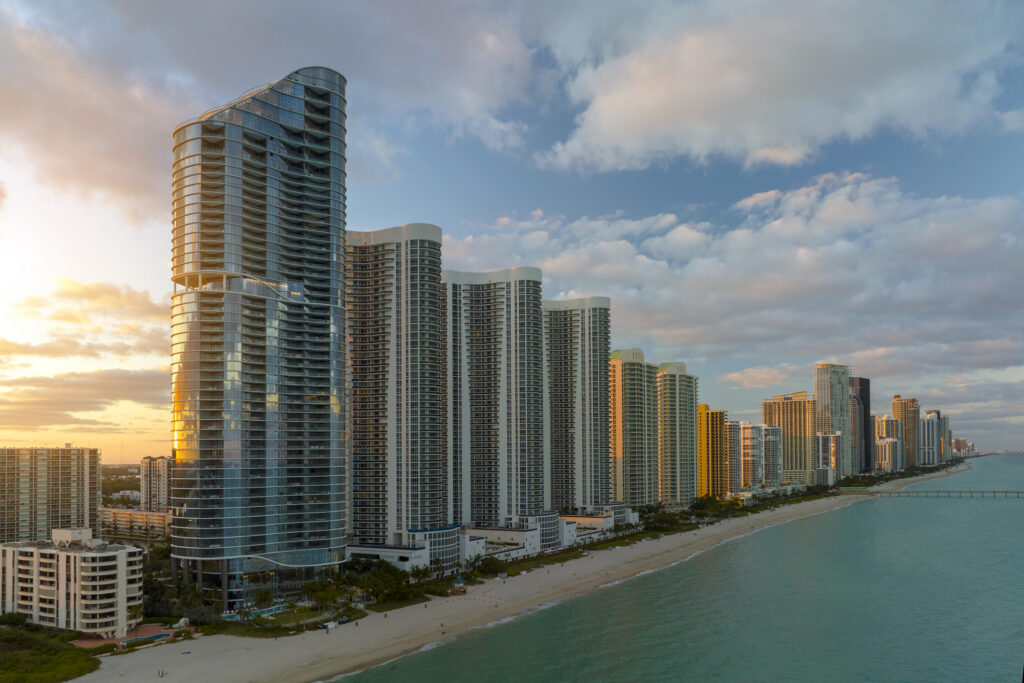
I pass two condo buildings on the same stretch of Brickell Avenue most weeks. Same era, roughly the same height, the same water out the same side. If you walked both lobbies you would probably prefer the one with the fresher paint. But that’s the building where I’d proceed with extra caution.
The units inside these two towers are virtually interchangeable: identical layouts, matching square footage, and the same pale oak floors owners often install when preparing to list. Yet a unit in one of these buildings will sell this fall at a price the seller is thrilled with, while a unit in the other sits through the entire winter season before eventually taking an offer far lower than expected.
The difference isn’t in the unit. It’s in the books. Miami condo association reserves have become the ultimate differentiator in our local market. Two identical floor plans can now command drastically different prices solely based on the financial health of their associations.
The market average is hiding a major split.
In July 2026, Miami-Dade condominium sales rose 11.4% year over year to 1,026 closings, while active inventory fell 11.79% to 11,324 listings. paired with shrinking supply usually pushes prices up. Yet the Miami condo median price slipped to $400,000, down 1.48% from $406,000 a year earlier.
That combination does not happen inside a single healthy market. Instead, it occurs when two completely different market segments are averaged together into a single misleading statistic.
- Tier 1: Well-capitalized, compliant buildings experiencing robust price appreciation.
- Tier 2: Underfunded buildings facing heavy deferred maintenance, plummeting valuations, and buyer resistance.
Alfredo Pujol (chairman of MIAMI REALTORS®) noted this trend in that same July report, stating that well-managed buildings with strong reserves are outperforming the market. Reading between the lines reveals the unstated reality: buildings with neglected reserves are dragging down the overall median price, and that’s where a large portion of Miami condo owners currently reside.
Recent lending rules changed who can buy your unit.
On August 3, 2026, Fannie Mae and Freddie Mac eliminated the limited review option for condominium loans. Every loan application for a condo in a building with more than ten units now requires a full review. Lenders strictly evaluate:
- The association’s operating budget
- The full reserve schedule and deferred maintenance list
- History of any special assessments
- Pending litigation and property insurance renewals
The Impact on Buyer Eligibility
Limited reviews previously covered roughly 40% of all condo project approvals. Furthermore, Fannie Mae is increasing required reserve funding from 10% to 15% of the annual budget (phasing in completely by January 2027). Consider the scale of this issue: out of 2,397 condo buildings across Miami-Dade, Broward, and Palm Beach counties, only 21 are approved for FHA financing. That’s less than one percent!
While this is often reported as a mortgage lending story, it is fundamentally a pricing story. When a building loses conventional loan eligibility, its buyer pool collapses strictly to cash buyers and niche portfolio lenders. A smaller pool of buyers leads to softer purchase prices and more days on market. Nothing about the units has changed. (And in fact, buying and selling condos in Miami has never really been just about the unit.)
Florida legislation ended voluntary reserve deferrals.
Since HB 913 took effect in July 2025, condo boards can no longer waive or reduce reserve funding for structural components identified in a milestone inspection in Florida, no matter how the owners vote. Structural Integrity Reserve Studies (SIRS) are mandatory, legally enforcing full funding for critical components like roofs, load-bearing walls and electrical systems.
For three years I’ve watched owners treat rising monthly HOA fees as the primary threat to their property values. In reality, the opposite is true. Associations that raised dues early to prepare for required structural improvements may look expensive on a monthly statement, but they protect condo values and command strong premiums at closing. Conversely, owners in buildings that continuously voted down fee increases are now forced into painful renegotiations driven by buyers’ lenders.
What I Review Before Pricing a Miami Condo
Whether evaluating Miami Beach waterfront condos or urban luxury properties, looking at interior finishes is only part of the job. Before assigning a target listing price, I analyze:
- Two Years of Financial Statements: Checking cash flow trends and operational stability.
- SIRS & Milestone Inspection Status: Measuring actual reserve balances against the required schedule rather than past balances.
- Insurance Renewals & Special Assessments: Verifying any levying approved or discussed within the past 18 months.
- Board Meeting Minutes: Uncovering pending architectural or financial issues that have not yet appeared on formal estoppel certificates.
The Real Financial Costs of Unfunded Buildings
While aggregate market data varies, observation tells me that units in buildings ineligible for conventional financing sell at a 15% to 30% discount compared to fully compliant properties just blocks away.
Smart buyers are no longer pricing just your kitchen upgrades. They’re pricing the total cost of ownership over the next five years. A building with an underfunded reserve schedule carries an unwritten financial liability, and buyers will discount their purchase offer to compensate for that risk. They’re doing the necessary math to avoid regrets after closing.
How to Protect Your Equity Before You List
If your building is facing an upcoming inspection or reserve adjustment, take action well before putting your property on the market:
- Order Financial Documents Early: Retrieve all budgets, SIRS documents, and board minutes prior to listing. You lose leverage when a buyer discovers red flags you could have disclosed.
- Frame the Narrative: If your association has a planned assessment actively addressing repairs, present it as a proactive structural upgrade that guarantees long-term value.
- Develop a Targeted Marketing Strategy: If the building currently favors cash buyers, build a plan for the cash buyers’ playbook from day one, rather than losing critical momentum waiting on traditional mortgage approvals and then rushing to develop it in week seven.
This matters even more at the top of the market. In Miami-Dade’s $1M+ luxury segment, sales rose 15.5% year-over-year in July 2026 to 394 transactions. Buyers at this level are sophisticated, well-advised and increasingly asking for the building’s financials before the second showing. In fact, I had a request for a reserve study this summer before anyone even asked about the view.
Two identical condo units can yield completely different net proceeds at closing, and the reason is often found in a financial document the sellers simply overlooked.
Planning to Sell Your Miami Condo?
Navigating milestone inspections, reserve requirements, and changing lending guidelines requires a strategic approach to pricing and marketing. If you’d like a clear evaluation of your unit’s true market value before listing, let’s connect.
If you’d like to receive my posts in your inbox each week, subscribe to my Substack.
Barbara Gretsch is a REALTOR® with Berkshire Hathaway HomeServices EWM Realty, serving Miami and South Florida’s $1M+ residential market, including Coconut Grove, Coral Gables, The Roads, Brickell, Key Biscayne and Miami Beach. barbaragretsch.com